
Shipping modes

Vehicle and container shipping to Africa

RoRo or container: the right mode depends on the vehicle, its value, the destination and what you want to load with it.

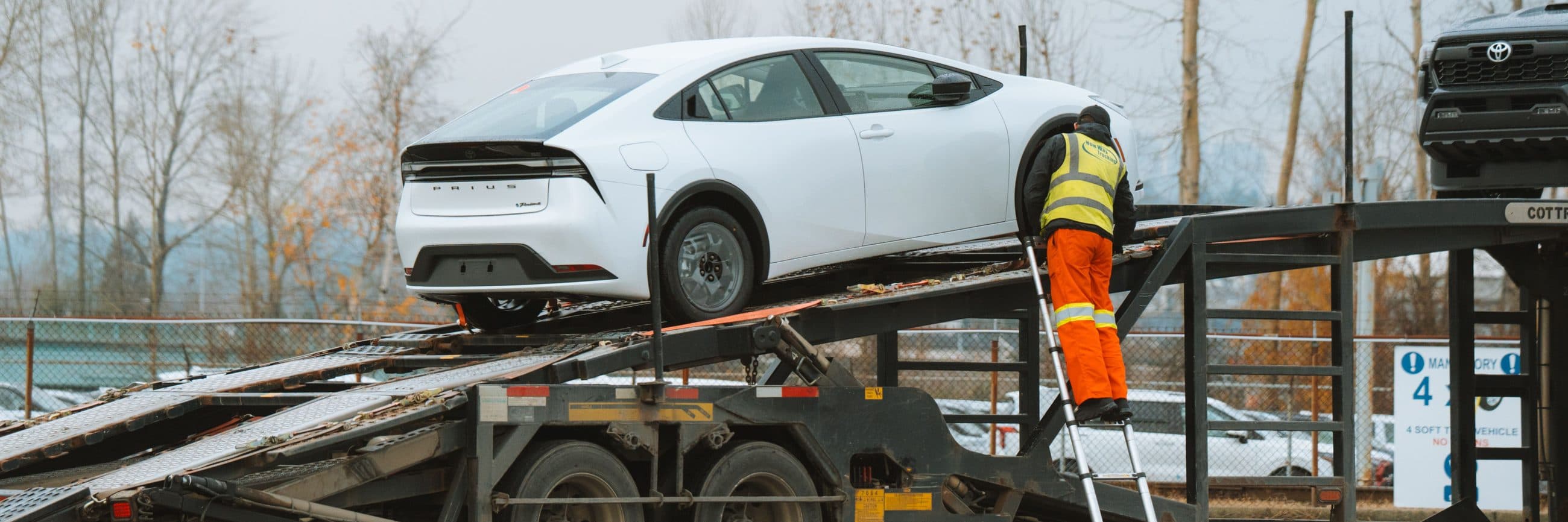
Car lashed onto a car-carrier trailer, an operator in a safety vest near the ramp
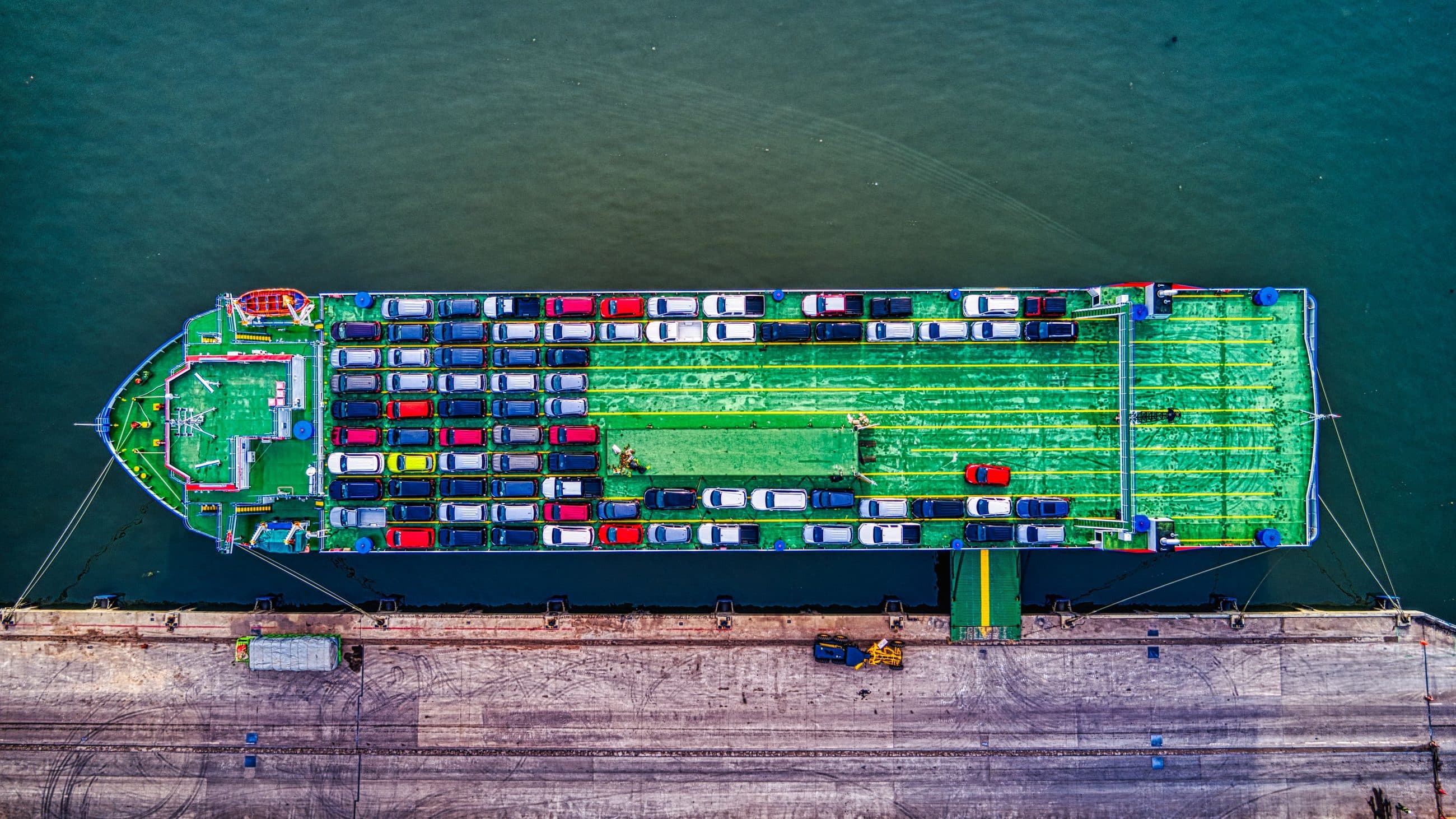
Aerial view of a RoRo vessel at berth, open deck loaded with rows of cars, access ramp lowered

RoRo vessel transport

On a RoRo vessel — roll-on/roll-off — the vehicle enters via a ramp and is driven to its spot on one of the decks, exactly like a multi-storey car park. It is then lashed to the floor.

No disassembly, no packing: it's the most direct mode, and generally the most economical when a single roadworthy vehicle is being shipped.

In return, shipping lines apply strict rules: the vehicle must drive under its own power, be empty, and fuel level is limited.
RoRo transport page
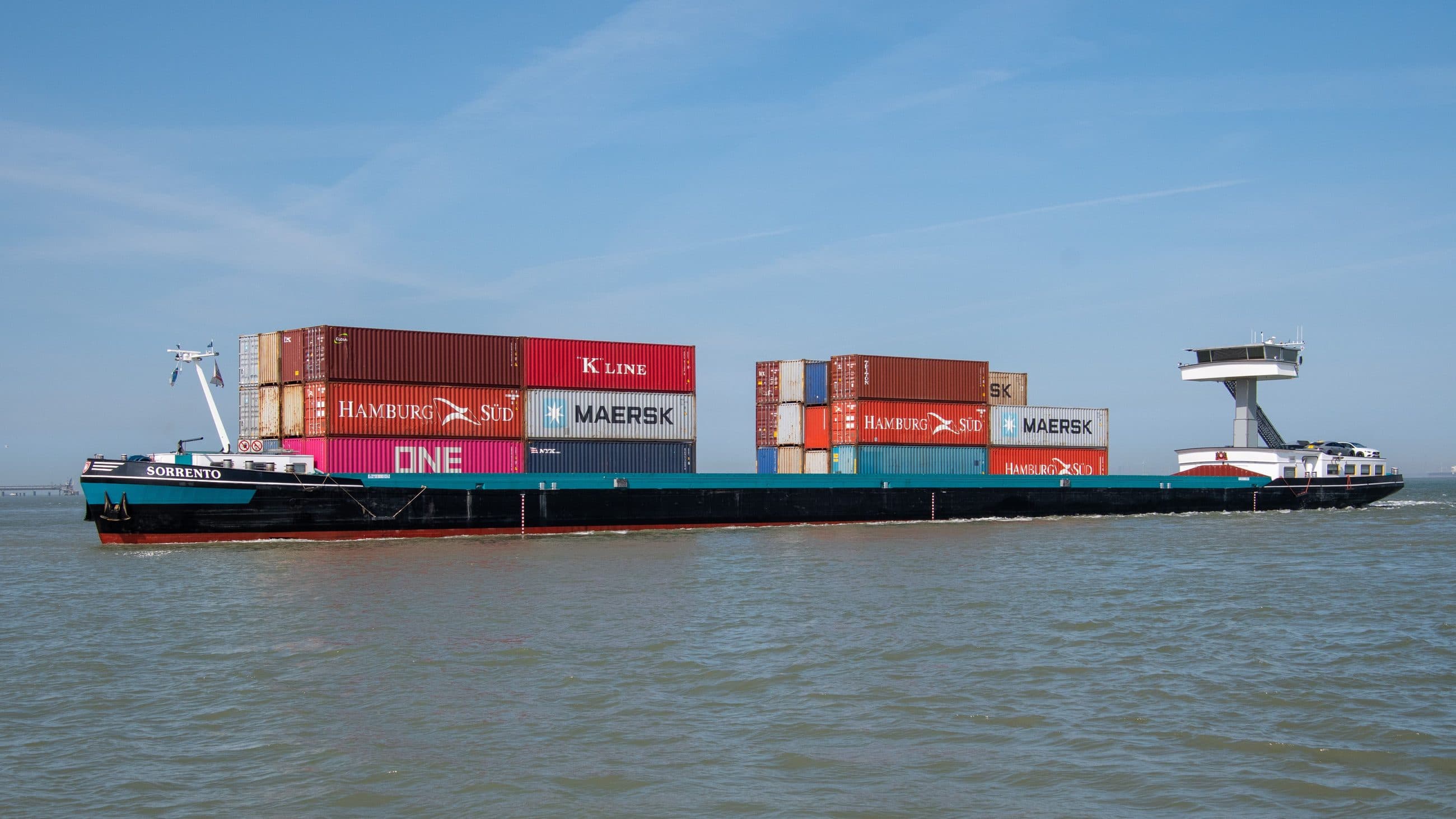
River barge under way loaded with shipping containers stacked two-high

Container transport

The vehicle is loaded into a 20 or 40-foot shipping container, chocked and lashed to the floor. The container is then sealed and handled like any other freight unit.

The vehicle undergoes no further direct handling until the container is opened at destination, making it the preferred mode for high-value, recent, or non-roadworthy vehicles.

It's also the only mode that allows personal effects, equipment or goods to be loaded around the vehicle — and the cost to be shared across several vehicles in a 40-foot container.

Container transport page

Compare both modes

There's no single "best" mode. The right choice depends on the vehicle's condition, its value, what you want to load with it, and the destination port.

Compare both modes

  • Principle

    RoRo vessel
    The vehicle is driven on board and lashed on an enclosed deck
    Container
    The vehicle is loaded and lashed inside a container
  • Non-roadworthy vehicle

    RoRo vessel
    No — the vehicle must be able to drive
    Container
    Yes — winch loading possible
  • Personal effects

    RoRo vessel
    Generally refused by shipping lines
    Container
    Possible, subject to declaration
  • Exposure to weather

    RoRo vessel
    Enclosed deck, but port handling involved
    Container
    Vehicle fully enclosed for the entire journey
  • Grouped goods

    RoRo vessel
    No
    Container
    Yes, around the vehicle
  • Relative cost

    RoRo vessel
    The most economical for a single vehicle
    Container
    Higher, but can be shared across several vehicles or lots

Departure port

Departure: Le Havre

All our shipments depart from Le Havre, France's leading container port and the head of the shipping lines serving the African Atlantic coast. Vehicles picked up elsewhere in France or Europe are transported by road to our departure area.

Free quote — no obligation

A vehicle to ship to Africa?

Send us the make, model, year and destination port. We'll respond with a quote and the most suitable shipping mode.